Exploring the Manufacturing Process Behind Rubber Keypads and Their Importance in Modern Devices
Rubber keypads are crucial in the functionality of contemporary gadgets. Their manufacturing procedure involves careful choice of materials and exact strategies. Keypads are made to enhance individual communication while making sure durability and reliability. Understanding exactly how these parts are made reveals their value across different applications. What variables contribute to their efficiency, and how do these aspects influence individual experience? The answers might reshape perceptions of this everyday modern technology.
Summary of Rubber Keypads and Their Applications
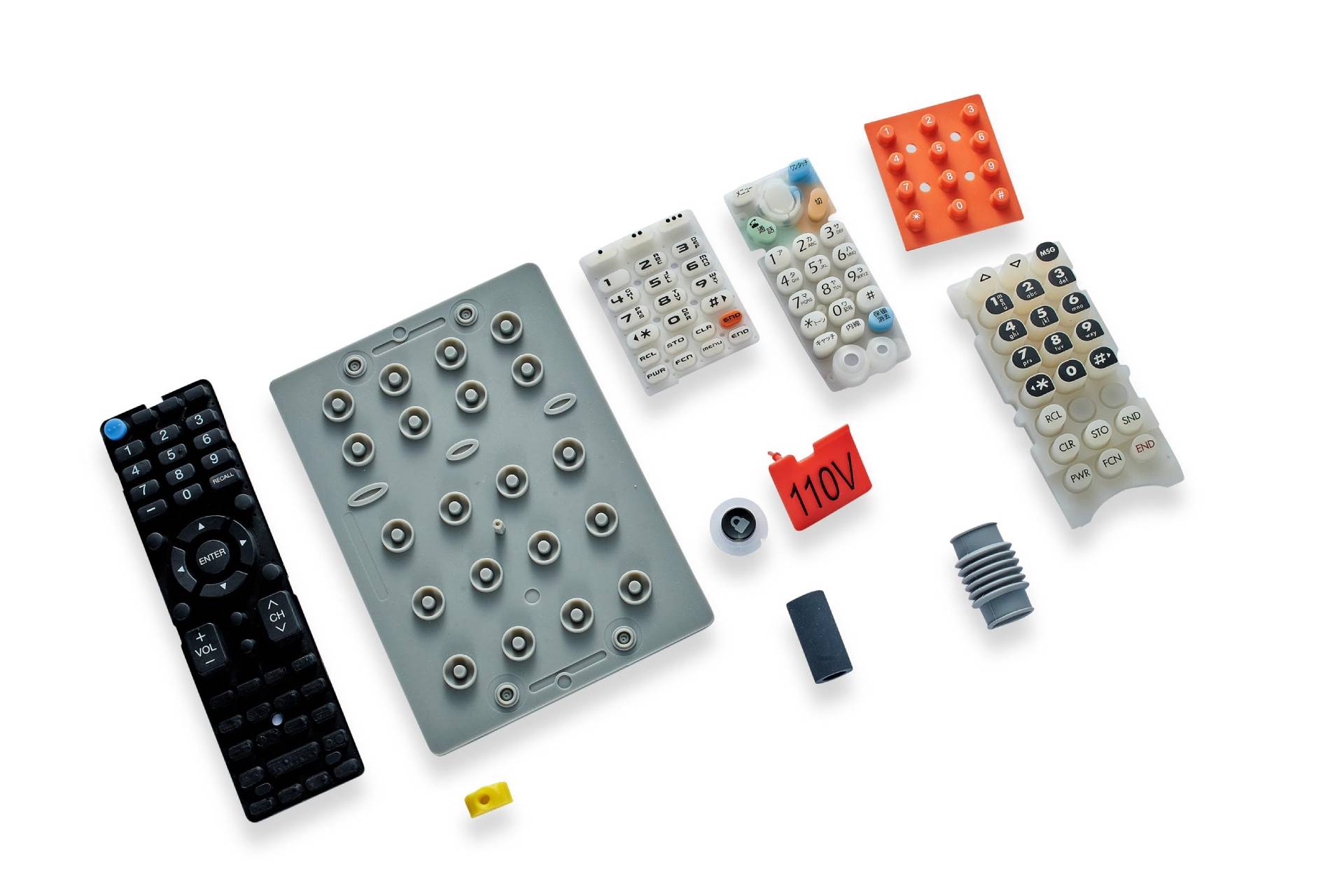
Rubber keypads are flexible elements widely utilized in various electronic gadgets, ranging from customer electronic devices to commercial tools. Their layout permits a responsive reaction, making them an optimal selection for applications requiring individual interaction. Generally located in products such as push-button controls, calculators, and medical tools, rubber keypads facilitate ease of usage and accessibility.
In industrial settings, they serve essential functions in machinery and control board, where sturdiness and resistance to ecological variables are vital. The non-slip surface boosts hold, promoting dependability sought after conditions. Additionally, their light-weight nature and personalized forms make it possible for suppliers to produce customized solutions that fit specific demands. With improvements in innovation, rubber keypads proceed to progress, integrating functions like backlighting and improved sensitivity. Generally, their flexibility and functional benefits contribute considerably to the effectiveness of various devices across several fields.
Materials Used in Rubber Keypad Production
Keypad manufacturing depends on a choice of products that boost both capability and resilience. The primary material utilized in the production of rubber keypads is silicone rubber, recognized for its excellent strength and versatility. This material enables keypads to hold up against repeated pressing without shedding form or performance. In addition, polycarbonate elastomers (TPE) are commonly used as a result of their simplicity of molding and capacity to give a soft-touch feel.
Coloring agents, such as pigments, are integrated to assure vivid, lasting tones that boost visual charm. Additives like anti-UV representatives and fire resistants might be mixed into the rubber to boost climate resistance and safety compliance. The choice of products directly impacts the keypad's tactile reaction, durability, and total performance in numerous gadgets. Inevitably, the careful selection of these parts is essential for the manufacturing of high-quality rubber keypads that satisfy customer and industry needs.
The Layout Process of Rubber Keypads
When creating rubber keypads, the design procedure plays an essential function in determining capability and customer experience. Developers start by defining the keypad's meant use, considering factors such as the device it will certainly come with and the target individual demographic. This preliminary phase includes laying out layouts that prioritize ergonomic elements, making sure the tricks are quickly obtainable and appropriately spaced.
Next off, developers concentrate on the tactile feedback desired from the keypads, which influences the option of materials and vital forms. Prototyping is important in this phase, allowing developers to examine different layouts for comfort and responsiveness.
Production Techniques for Rubber Keypads
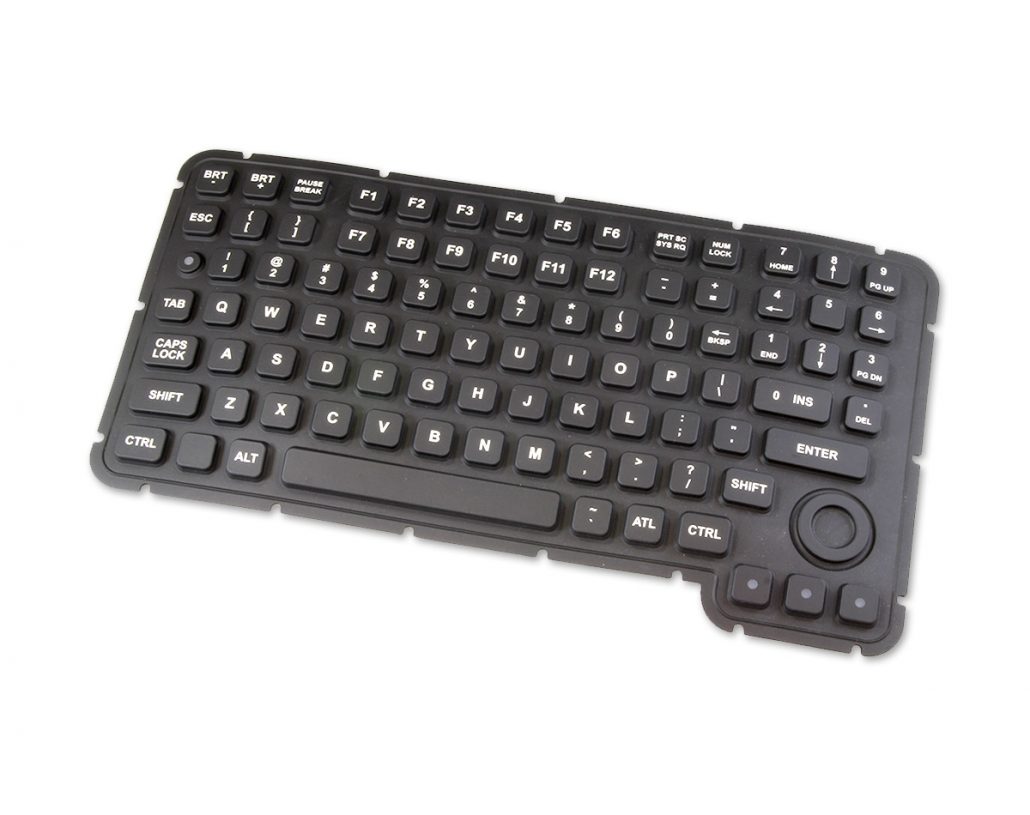
The manufacturing process for rubber keypads involves a series of exact techniques that ensure quality and performance. Liquid silicone rubber (LSR) is often used due to its longevity and flexibility. The process starts with mixing the raw materials, consisting of silicone, colorants, and curing agents. This blend is then infused right into mold and mildews developed to shape the keypads accurately.
Complying with injection, the shaped keypads undertake healing, a heating procedure that solidifies the material (Rubber Keypads). This is normally done in a press, guaranteeing the keypads accomplish the wanted hardness and resilience
High Quality Control Steps in Manufacturing
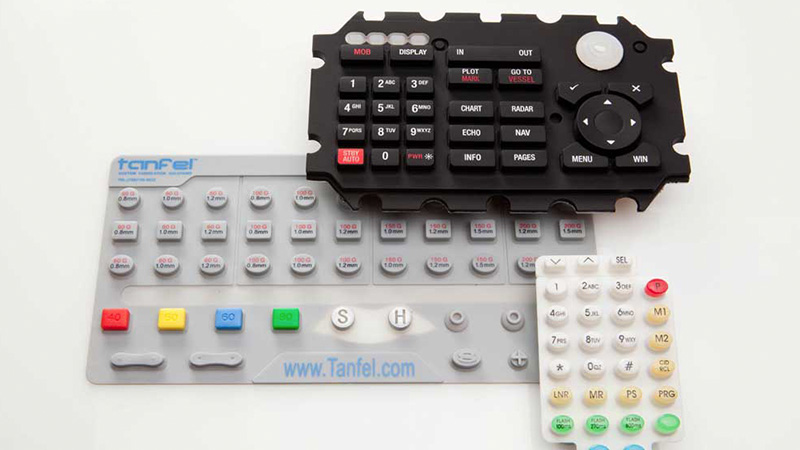
To guarantee that rubber keypads meet high standards of quality and performance, extensive high quality control steps are implemented throughout the manufacturing process. These actions start with resources inspection, making sure that just the highest-grade elastomers are used. Throughout the manufacturing stage, operators perform normal checks to monitor parameters such as temperature, pressure, and blending times, important for accomplishing consistent product high quality.
Post-production, each set of keypads undergoes detailed testing, consisting of responsive feedback assessments and toughness tests to evaluate performance under different problems. Aesthetic evaluations are also carried out to identify any kind of defects, such as bubbles or incongruities in appearance. In addition, compliance with industry standards is validated, guaranteeing that the keypads fulfill safety and security and performance benchmarks.
The Function of Technology in Keypad Advancement
Modern technology plays an essential duty in the advancement of rubber keypads by enabling advanced manufacturing methods that enhance precision and efficiency. In addition, ingenious product option enables boosted durability and responsiveness in keypad performance. These advancements not only simplify production yet also raise the total top quality of the last product.
Advanced Production Techniques
Advancements in manufacturing strategies transform the production of rubber keypads, improving both performance and accuracy. Technologies such as shot molding and 3D printing have changed typical procedures, making it possible for suppliers to produce complicated styles with reduced waste and boosted turn-around times. Automation plays an important duty in this evolution, improving assembly lines and reducing human error. In addition, computer-aided style (CAD) software program allows for intricate modification, making certain that keypads meet particular user needs. Quality control steps have actually also advanced, including real-time monitoring systems that identify issues early in the production cycle. These advancements not only boost the durability and functionality of rubber keypads but additionally sustain the growing need for personalized solutions in various markets, from customer electronics to auto applications.
Ingenious Product Selection
The advancement of producing methods has led the way for cutting-edge material option in rubber keypad growth. Advances in polymer scientific research have introduced products that boost toughness, flexibility, and tactile feedback. Producers now make use of thermoplastic elastomers (TPE) and silicone compounds, which supply premium resistance to put on and environmental factors. These products enable the development of keypads click site that can sustain extended use while maintaining visual allure. Furthermore, the integration of ingredients and layers enhances functionality, such as enhancing hold and minimizing rubbing. The selection of products is essential, as it straight impacts the efficiency and long life of keypads in numerous devices, from customer electronics to industrial equipment. This ingenious strategy continues to form the future of keypad design and usability.
The Influence of Rubber Keypads on Customer Experience
Rubber keypads significantly affect customer experience with their enhanced responsive action, which permits more exact interaction. Furthermore, their resilience and longevity contribute to consistent performance with time, minimizing the need for constant replacements. This mix of features makes rubber keypads a favored option in various applications, eventually affecting customer fulfillment.
Boosted Tactile Feedback
Enhancing tactile action greatly affects customer experience, particularly in devices that rely upon keypads for interaction. Rubber keypads supply an one-of-a-kind combination of soft qualities and strength, enabling users to click this site really feel unique responses with each press. This comments strengthens a sense of control and accuracy, important in applications ranging from mobile phones to commercial equipment. Individuals usually report higher contentment and performance when engaging with gadgets that feature well-designed rubber keypads, as they facilitate quicker and extra precise input. Furthermore, the ergonomic style of these keypads can minimize finger fatigue, advertising longer usage periods without discomfort. Generally, the enhanced responsive response provided by rubber keypads significantly adds to a more satisfying and instinctive user experience in modern technology.
Sturdiness and Longevity
A vital element of user experience with rubber keypads depends on their durability and longevity. These keypads are made to endure considerable use, withstanding damage that often affects other materials. The durable nature of rubber assurances that keypads preserve their functionality and look with time, which is important for tools regularly utilized in various settings. Users profit from the integrity of rubber keypads, as they can sustain exposure to temperature level, moisture, and dirt variations without degrading. This strength not just improves customer satisfaction but additionally decreases the requirement for frequent substitutes, inevitably adding to cost-effectiveness for makers. Basically, the longevity of rubber keypads greatly affects the general performance and individual experience in modern-day tools.
Regularly Asked Concerns
How Much Time Do Rubber Keypads Commonly Last in Tools?
Rubber keypads commonly last in between 5 to ten years, relying on usage, environmental elements, and high quality of materials used (Rubber Keypads). Routine damage can reduce their life expectancy, influencing capability and customer experience gradually
Can Rubber Keypads Be Custom-made for Specific Applications?
Rubber keypads can undoubtedly be tailored for details browse this site applications, enabling alterations in size, shade, structure, and shape. This flexibility allows suppliers to produce tailored solutions that satisfy diverse user needs and boost performance in different tools.
Are Rubber Keypads Ecologically Friendly?
Rubber keypads are usually ruled out eco-friendly due to their petroleum-based products. Innovations in lasting production techniques and the advancement of bio-based choices are slowly enhancing their environmental effect in different applications.
What Are Usual Concerns Encountered Throughout Rubber Keypad Manufacturing?
Typical issues dealt with throughout rubber keypad production include inconsistent worldly quality, mold and mildew flaws, improper treating times, bond failings, and challenges in accomplishing accurate tactile feedback. These issues can bring about lowered item efficiency and consumer dissatisfaction.
Exactly How Do Rubber Keypads Contrast to Various Other Types of Secret Changes?
Rubber keypads provide a softer feeling and quieter procedure compared to mechanical switches, which provide responsive comments. Rubber keypads might put on out faster and do not have the precision that some individuals prefer in high-performance applications.
The main product used in the production of rubber keypads is silicone rubber, understood for its superb durability and flexibility. When creating rubber keypads, the layout process plays a necessary duty in determining capability and user experience. Rubber keypads greatly affect individual experience through their enhanced responsive action, which enables for even more exact communication. Users usually report greater satisfaction and efficiency when connecting with devices that feature well-designed rubber keypads, as they help with quicker and a lot more accurate input. A key element of individual experience with rubber keypads lies in their resilience and longevity.